Understanding Casino Odds
Casino odds refer to the probability of winning a bet placed in various casino games. Many players assume that these odds are static, but in reality, they can vary significantly from game to game. For instance, the house edge defines the average profit the casino expects to make from a bet over time, which often leads to misconceptions about player chances, especially in a neosurf casino instant withdrawal environment where quick payouts are expected. This house edge is not the same across all games, as table games might offer better odds than slot machines, leading to confusion among new players.
Additionally, one common myth is that betting patterns can influence future outcomes, especially in games like roulette or blackjack. In truth, each spin of the wheel or shuffle of the cards is independent, meaning past outcomes do not affect future results. This independence is a fundamental principle of probability, emphasizing the random nature of these games and debunking the myth of “hot” or “cold” streaks that many players believe in.
Moreover, players often misunderstand the concept of “payout percentages.” Casinos frequently advertise these percentages, but they represent long-term averages rather than guarantees for individual sessions. While a slot machine may boast a payout percentage of 95%, this does not mean that every player will achieve a 95% return on their bets. Understanding these crucial concepts can help players make more informed decisions while gambling.
The Probability Misconceptions
Another prevalent myth surrounds the idea that larger bets lead to higher odds of winning. Many gamblers mistakenly believe that wagering more money guarantees a better chance of winning, which is not true. The odds of winning remain unchanged regardless of the amount wagered. This misconception can lead to irresponsible gambling behaviors, where players risk more money in hopes of improving their odds, ultimately leading to larger losses.
In addition, the belief that some games are better for beginners than others is rooted in misunderstanding. While certain games, like slot machines, may seem easier to play, their odds are often worse compared to table games that require more skill and strategy, such as poker or blackjack. This perception can mislead novice players into choosing games that do not offer the best chances of winning, further clouding their understanding of casino odds.
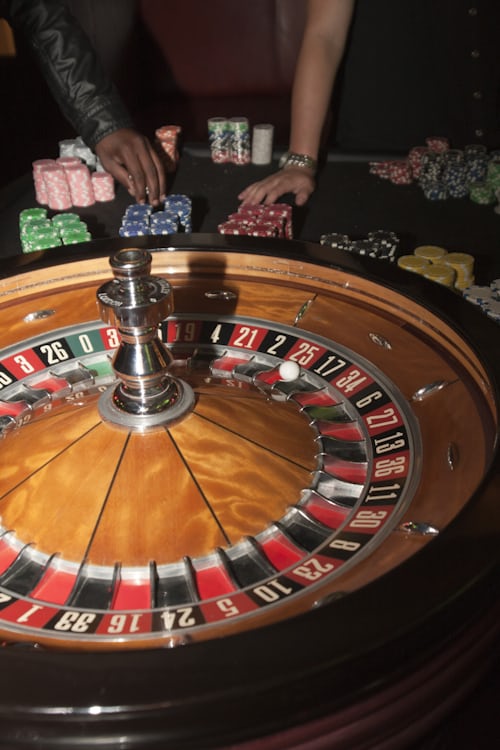
Lastly, the illusion of winning often fuels the myth that players can consistently beat the odds. While some players may experience short-term success, the truth is that casinos are designed to profit in the long run. This means that the odds are always in favor of the house, and any perceived winning streaks are typically just that—perceptions. Acknowledging this reality allows gamblers to approach play with a more informed mindset, recognizing the importance of responsible gambling practices.
The Role of Skill in Gambling
Skill plays a significant role in certain casino games, notably poker and blackjack, leading to a misconception that skilled players can consistently overcome the odds. While it is true that skilled players can make more informed decisions and potentially increase their chances of winning, they cannot change the inherent odds of the game itself. Understanding when to bet, fold, or hit can improve a player’s performance, but the house edge remains constant regardless of player skill levels.
Moreover, some players mistakenly believe that following strategies or systems can defeat the odds. Many of these strategies lack a scientific basis and often result in disappointment. For example, betting systems like Martingale promise to recoup losses through doubling bets after each loss, but they can lead to substantial financial risk, as players might hit table limits or run out of funds before recovering losses.
Casino games that involve elements of luck, such as slots or roulette, are entirely based on chance. There is no way for players to alter the outcomes through skill or additional insight. Understanding the different components of skill and luck clarifies the importance of making strategic choices in skill-based games while remaining aware of the odds at play in chance-based games.
The Myth of the ‘Lucky’ Casino
A common belief among gamblers is that some casinos are luckier than others, leading to the myth that specific locations can influence the odds of winning. This idea is fundamentally flawed, as the odds associated with games remain consistent across all reputable casinos—both online and physical. The notion that a particular casino’s atmosphere or management could impact game outcomes is purely speculative and lacks any factual basis.

Additionally, players often attribute winning streaks to a casino’s ambiance or reputation. While a casino’s marketing may suggest that it boasts higher payouts or better odds, these claims are typically not substantiated by statistical evidence. Gamblers should focus on understanding the odds associated with the games they play rather than relying on superstitions about the venue itself.
Ultimately, the myth of a “lucky” casino can lead to poor decision-making and misplaced trust in luck rather than in understanding the game’s odds and mechanics. It is essential for gamblers to educate themselves about the inherent risks and realities of gambling, regardless of the casino’s perceived luckiness.
Responsible Gambling and Information Resources
Understanding the common myths surrounding casino odds is crucial for fostering a responsible gambling environment. Awareness of these myths can help players make more informed decisions about how to approach their gaming experiences. Gamblers should prioritize self-education, seeking resources and information that clarify how odds work and how to engage with casino games responsibly.
Various organizations and online platforms provide useful information about responsible gambling practices. These resources often include guidelines on setting budgets, understanding the risks involved, and recognizing the signs of problem gambling. By utilizing these tools, players can enhance their gaming experiences while reducing the potential negative impacts of gambling.
Ultimately, casinos and gaming websites have a responsibility to promote transparency and education about odds and gaming practices. They should ensure that players have access to accurate information that allows them to make informed choices while enjoying their gaming activities responsibly. Awareness and understanding can lead to a healthier relationship with gambling, where entertainment is prioritized over the misconception of guaranteed wins.